Philosophy of SAIBI-TX
Like Laying Down a Zafu Cushion
A zafu floor cushion is laid down for meditation. Like this, a tool with a defined purpose guides the mind and consciousness, leading them in a singular, unwavering direction. With each repeated action, the tool’s shape, texture, and structure imprinted onto our body appeals to our physicality and it transforms itself into a guide that deepens the experience. When a tool fully serves its purpose, it ceases to be separate. It becomes an extension of the body itself.
What Minimalism Draws Out
Forms composed of the fewest possible elements hold an inherent structural strength. In other words, they are clear, refined, and pure. Like a finely honed blade, a restrained, minimal form paradoxically possesses the power to engage all the senses. At first, this may seem counterintuitive, yet minimalism does not signify absence. Rather, it brims with richness within. More importantly, the fewer the elements, the more intuitively their essence can be perceived. [Fig 2]
― "Let flowers be as they are in the fields." (Sen no Rikyū)
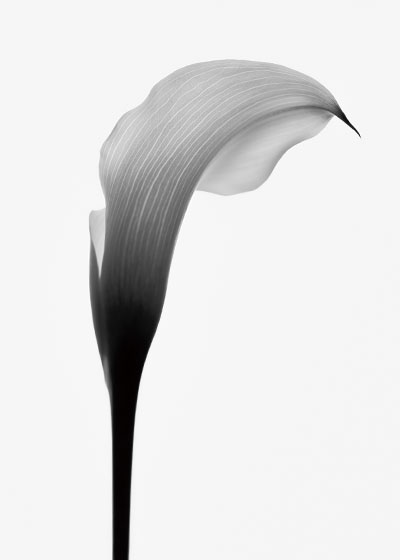
Fig 2. What Minimalism Draws Out
The Aesthetic of Modern Standards
Objects that stand the test of time share a common trait: they never become tiresome. While this may sound negative, the absence of boredom is inseparable from the positivity of continued use. The tools we recognize as timeless standards and masterpieces hold this quiet power. Simplicity that removes difficulties in use and matches a user’s needs, noise-free colors, modern design, and thoughtful textures ̶ these essentials create an environment that fosters focus and intent. A true standard transcends eras, serving as an indispensable companion to the contemplative worker.
Divinity in the Details
When a tearoom is swept, even the unseen back of a hanging scroll is carefully wiped clean, though neither guests nor the host may notice it. The same principle applies to design: attending to the invisible and the overlooked fosters a spirit of hospitality that embraces guests and users with meticulous care. This mindful approach imbues objects with an aura [1] , resonating with something deep within us. [Fig 1]
1. Authenticity that resides only in original works, or original artworks, cannot fully be captured in reproductions.
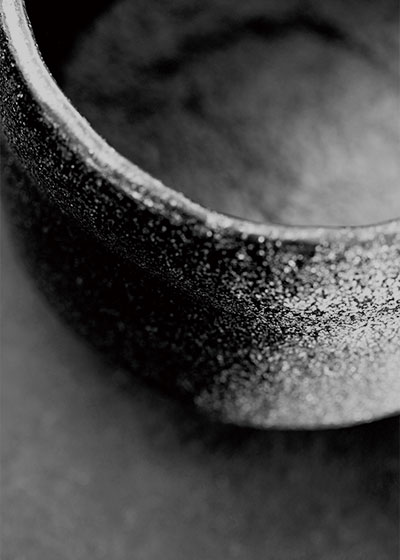
Fig 1. Divinity in the Details